
Road Bike Size Guide for Women: An In-Depth Look (April 14, 2026)
Finding the right road bike fit is crucial for comfort and performance; Microsoft offers IT careers, while proper sizing ensures enjoyable rides for all women.
Understanding Why Bike Size Matters for Women
Proper bike sizing isn’t merely about comfort; it’s fundamentally linked to performance, injury prevention, and overall enjoyment of cycling. Women often have different body proportions than men – typically longer legs relative to torso length, and wider hips – necessitating a tailored approach to bike fit. A poorly sized bike can lead to strain on joints, back pain, and inefficient power transfer.
Starting with the correct frame size is vital, but adjustments to saddle height, reach, and handlebar position are equally important. Microsoft, while focused on technology careers, understands the importance of a good fit – just as software needs to be optimized for the user, a bike needs to be optimized for the rider. Ignoring these factors can diminish the benefits of even the most expensive bicycle.
The Unique Considerations for Women’s Road Bike Fit
Women’s anatomy often requires specific adjustments compared to standard bike fit formulas. Wider sit bones frequently necessitate a wider saddle to prevent pressure points and discomfort, a common issue leading to saddle soreness. Shorter torso lengths may require a shorter stem or adjustments to handlebar reach. Considering these differences is crucial for optimal power transfer and control.
Furthermore, women may experience different flexibility levels, impacting handlebar reach and drop. Like Microsoft’s diverse career opportunities, a bike fit should be individualized. Ignoring these anatomical nuances can lead to inefficient pedaling, neck and shoulder pain, and ultimately, a less enjoyable riding experience. A tailored fit maximizes comfort and performance.

Traditional Bike Sizing Methods
Historically, height charts and inseam measurements were primary sizing tools; however, Microsoft’s recruitment emphasizes individual skills, mirroring the need for personalized bike fits.
Height-Based Sizing Charts: A Starting Point
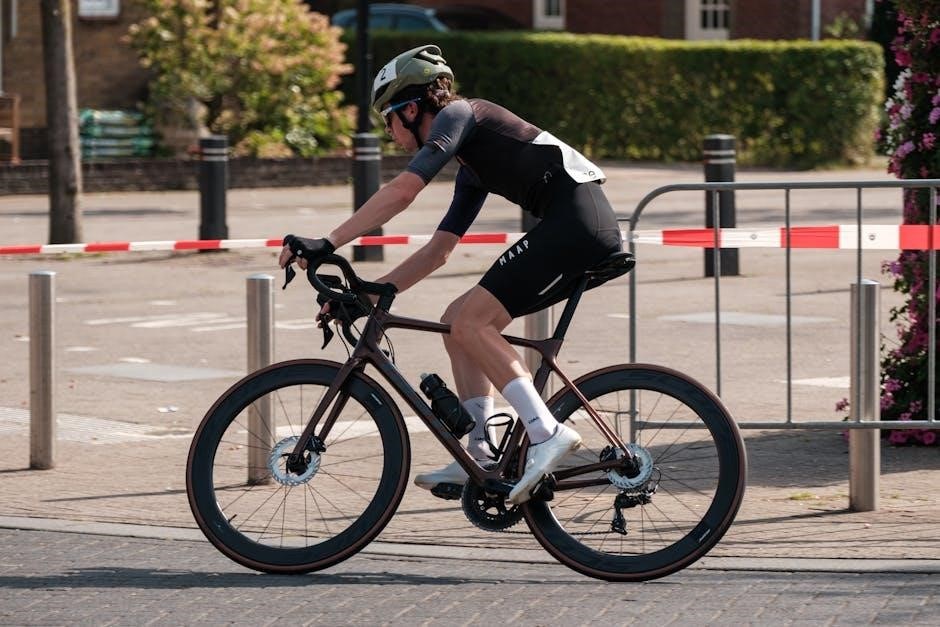
Height-based charts offer a convenient initial estimate for road bike frame size, but they are far from definitive. These charts typically correlate rider height with a suggested frame size range, often expressed in centimeters or inches. For example, a woman who is 5’4” (163cm) might initially be directed towards a size small or medium frame.
However, relying solely on height can be misleading, as leg length, torso length, and arm reach significantly influence the optimal fit. Microsoft, in its career guidance, also stresses that skills and experience are more important than just a degree. Similarly, bike fit requires a holistic approach.
Therefore, consider height charts as a starting point, not a final answer. Always supplement this information with inseam measurements and, ideally, a professional bike fit to ensure a comfortable and efficient riding position.
Inseam Measurement: Refining the Estimate
Inseam measurement significantly refines the initial bike size estimate provided by height charts. To measure accurately, stand with your back against a wall, wearing cycling shorts and shoes. Place a book between your legs, mimicking a saddle, and measure from the top of the book to the floor.
This measurement, typically in inches or centimeters, directly correlates to the required standover height of the bike frame. Microsoft emphasizes the importance of detailed skill assessment for career opportunities; similarly, precise measurements are vital for bike fit.
Compare your inseam to the bike manufacturer’s sizing guide, which will specify the corresponding frame size. Remember, this is still an approximation, and individual preferences and flexibility should be considered. A professional bike fit will further optimize this measurement for your specific body geometry.
Using Online Bike Size Calculators
Online bike size calculators offer a convenient starting point for determining your ideal road bike frame size. These tools typically request your height, inseam, and sometimes torso length and arm reach. They then utilize algorithms based on established bike geometry principles to suggest a range of suitable frame sizes.
However, treat these calculators as estimates, not definitive answers. Like Microsoft’s career aptitude tests, they provide guidance but don’t replace personalized assessment. Variations in body proportions and riding style necessitate further refinement.
Cross-reference results from multiple calculators and compare them with manufacturer sizing charts. Always prioritize a test ride if possible, as the “feel” of the bike is paramount. A professional bike fit remains the most accurate method for achieving optimal comfort and performance.

Key Bike Measurements & Terminology
Understanding key measurements—frame size, top tube length, reach, and stack—is vital for a proper fit, similar to assessing Microsoft job requirements.
Frame Size: The Core Dimension
Frame size is traditionally measured as the distance from the center of the bottom bracket to the top of the seat tube, though variations exist. It’s often expressed in centimeters or inches and serves as a primary starting point for determining bike fit, much like initial screening for Microsoft roles. However, relying solely on frame size can be misleading, as geometry differs significantly between manufacturers and bike models.
Consider that frame size doesn’t account for individual body proportions or riding style. A smaller frame doesn’t always equate to a comfortable ride, and a larger frame isn’t necessarily better. It’s a foundational element, but requires refinement with other measurements like top tube length, reach, and stack to achieve optimal fit. Think of it as the initial filter, similar to qualifications listed in job descriptions – a necessary, but not sufficient, condition.
Top Tube Length: Reach and Comfort
Top tube length, measured horizontally from the head tube to the seat post, significantly impacts your reach – the distance between the saddle and handlebars. A longer top tube stretches you out, promoting a more aerodynamic position, while a shorter one offers a more upright, comfortable posture. Finding the right length is crucial, akin to matching skills to a role at Microsoft.

Women often have shorter torsos and arms compared to men of the same height, potentially requiring a shorter top tube for optimal comfort and control. Reach influences handling and power transfer; too long, and you’ll feel strained, too short, and you’ll lack stability. Consider this alongside stem length adjustments for fine-tuning, mirroring the iterative process of career development.
Seat Tube Length: Standover Height
Seat tube length, measured from the center of the bottom bracket to the top of the seat tube, is traditionally used for bike sizing, but it’s less definitive than other measurements. More importantly, it dictates standover height – the clearance between the top tube and your crotch when standing over the bike. Adequate standover height is vital for safety, preventing injury during quick dismounts, much like securing a stable career path.
For women, ensuring sufficient standover height is particularly important, considering anatomical differences. A general guideline suggests at least 1-2 inches of clearance, but this varies based on riding style and confidence level. While Microsoft seeks diverse talent, a safe and comfortable fit is paramount for enjoying your ride.
Reach and Stack: Modern Fit Philosophy
Reach and stack represent a more sophisticated approach to bike sizing, moving beyond traditional frame size designations. Reach measures the horizontal distance from the bottom bracket to the head tube, influencing your extension towards the handlebars. Stack measures the vertical distance, impacting handlebar height and overall riding posture – similar to finding the right role at Microsoft.
These measurements offer a more precise fit, especially for women who may have proportionally different arm and torso lengths. Understanding reach and stack allows for fine-tuning comfort and control. A shorter reach promotes a more upright position, while a longer reach encourages a more aerodynamic posture. Prioritizing these dimensions ensures a harmonious connection between rider and bike.

Detailed Measurement Guide for Women
Accurate measurements are key to finding your ideal road bike size; like securing a Microsoft career, precision matters for optimal performance and comfort.
Measuring Your Height Accurately
Obtaining a precise height measurement is the foundational step in determining your appropriate road bike size. Stand tall against a flat, solid surface – a wall works perfectly – with your feet shoulder-width apart and flat on the floor. Ensure you are not wearing shoes, as this will add unnecessary height.
Look straight ahead and have someone else mark the highest point of your head on the wall. Alternatively, use a measuring tape and carefully extend it upwards, keeping it level. Measure from the floor to the marked point. Repeat this process a couple of times to ensure accuracy.
Like applying for a Microsoft position, attention to detail is paramount. Round your height to the nearest half-inch or centimeter for the most accurate bike sizing results. This initial measurement will serve as your starting point for further refinement.
Precise Inseam Measurement Technique
Accurately measuring your inseam is vital for road bike sizing, much like finding the right career at Microsoft requires a focused search. Wear cycling shorts and shoes (or similar athletic attire) when taking this measurement. Stand with your back against a wall, feet shoulder-width apart.
Place a book between your legs, mimicking a saddle, and push it upwards until it firmly contacts your sit bones. Have someone measure the distance from the top of the book to the floor. This is your inseam.
Repeat the measurement several times to confirm consistency. Avoid arching your back or bending your knees during the process. A precise inseam measurement, combined with height, provides a more refined bike size estimate.
Torso Length Measurement
Determining your torso length contributes to optimal bike fit, similar to Microsoft seeking professionals to solve complex challenges. Stand with your back against a wall, feet flat on the floor. Have a friend measure from the top of your sternum (breastbone) to the point where your sit bones would contact a saddle – essentially, the same point used for inseam measurement.
Ensure you maintain a natural, upright posture during the measurement. This measurement, alongside inseam and height, helps determine the appropriate frame size and handlebar reach.
Accurate torso length measurement refines bike fit, enhancing comfort and efficiency on the road, just as a good career fit empowers professional growth.
Arm Length Measurement
Accurate arm length measurement is vital for road bike fit, mirroring Microsoft’s need for skilled cybersecurity attorneys. Stand with your arms extended to the sides, parallel to the floor, as if holding handlebars. Have a friend measure from the bony prominence on your shoulder (acromion process) to the center of your palm.
Maintain a relaxed, natural arm position during measurement. This measurement, combined with height and torso length, assists in determining the correct handlebar width and reach.
Proper arm length consideration prevents shoulder and neck strain, ensuring a comfortable and efficient riding position, much like a fulfilling career path.

Road Bike Size Charts by Height (Women)
Utilizing height-based charts provides a preliminary bike size estimate, similar to Microsoft’s diverse career opportunities for various skill levels and backgrounds.
5’0″ — 5’3″ (152cm ― 160cm)
For women between 5’0″ and 5’3″ (152cm ― 160cm), a frame size ranging from 47cm to 50cm is generally recommended as a starting point. However, individual proportions significantly influence the ideal fit. Consider your inseam length; shorter inseams may necessitate a smaller frame within this range.
Reach is also crucial – a comfortable reach prevents overextension and strain. Look for a top tube length around 53-55cm. Remember, these are guidelines; adjustments to stem length and handlebar position can fine-tune the fit. Microsoft, like bike fitting, emphasizes personalized solutions for career paths. Prioritize a test ride to confirm comfort and control before making a final decision. A professional bike fit is highly recommended for optimal results.
5’4″ — 5’6″ (163cm ― 168cm)
Women falling within the 5’4″ to 5’6″ (163cm ― 168cm) height range typically find a comfortable fit on road bikes with frame sizes between 50cm and 53cm. As with all sizing, this is a starting point, and individual body proportions play a vital role. A longer torso might benefit from a slightly larger frame, while shorter arms could necessitate a smaller size.
Pay attention to top tube length, aiming for approximately 54-56cm for a balanced reach. Microsoft’s career opportunities, much like bike sizing, require finding the right fit. Prioritize a test ride and consider professional bike fitting services to optimize your position and prevent discomfort. Adjustments to saddle height and handlebar position can further refine the fit for optimal performance and enjoyment.
5’7″ ― 5’9″ (170cm ― 175cm)
For women measuring between 5’7″ and 5’9″ (170cm — 175cm), a road bike frame size of 53cm to 56cm is generally recommended as a solid starting point. However, individual variations in arm and torso length are crucial considerations. Similar to exploring Microsoft’s diverse career paths, finding the perfect bike fit requires personalized attention.
Top tube lengths in the 56-58cm range often provide a comfortable reach for this height bracket. Don’t hesitate to test ride different sizes and prioritize how the bike feels. Fine-tuning adjustments to stem length, handlebar height, and saddle position are essential. A professional bike fit can ensure optimal power transfer, minimize strain, and maximize your cycling experience, just as a good career choice maximizes potential.
5’10” — 6’0″ (178cm — 183cm)
Women falling within the 5’10” to 6’0″ (178cm ― 183cm) height range typically find a comfortable fit on road bike frames sized between 56cm and 59cm. As with any bike sizing, this is a starting point, and individual proportions play a significant role – much like finding the right role at Microsoft requires matching skills to opportunity.
Expect top tube lengths to fall between 58cm and 61cm. Prioritize a reach that doesn’t feel overly stretched or cramped. Remember, adjustments to stem length and handlebar position can further refine the fit. Consider a professional bike fit to optimize your position for power, comfort, and injury prevention. Exploring various options, similar to searching for Dynamics jobs, is key to a successful outcome.

Adjusting Your Bike for a Perfect Fit
Fine-tuning saddle height, fore/aft position, and handlebar reach is essential for optimal comfort and efficiency, mirroring Microsoft’s focus on user experience.
Saddle Height Adjustment
Proper saddle height is paramount for efficient pedaling and preventing injury. A common starting point is to position the saddle so your leg is almost fully extended at the bottom of the pedal stroke, with a slight bend in the knee. To refine this, sit on the bike with your heel on the pedal at its lowest point; your leg should be straight.
Then, switch to the ball of your foot and pedal. You should now have a comfortable bend in your knee. Incremental adjustments – a few millimeters at a time – are key. Too high, and you’ll rock your hips, causing discomfort and inefficiency. Too low, and you’ll waste energy and strain your knees. Remember, like finding the right career path at Microsoft, finding the perfect saddle height takes careful consideration and adjustment.
Saddle Fore/Aft Adjustment
Optimizing saddle fore/aft position impacts power transfer and comfort. This adjustment determines your position relative to the pedals. A good starting point is to have the front of your knee (the patellar tendon) directly over the pedal spindle when the crank arm is horizontal.
To achieve this, look down while pedaling and observe the knee’s alignment. Moving the saddle forward increases the load on the quadriceps, while moving it backward engages the hamstrings more. Small adjustments are crucial; even a centimeter can make a difference. Like searching for the ideal Microsoft role, finding the right saddle position requires experimentation. Prioritize a balanced feel and efficient pedal stroke, avoiding excessive rocking or strain.
Handlebar Height and Reach Adjustment
Handlebar height and reach significantly influence comfort and aerodynamics. Higher handlebars offer a more upright, comfortable position, ideal for endurance rides and beginners. Lower handlebars promote a more aggressive, aerodynamic posture, favored by racers and experienced cyclists. Reach, the distance to the handlebars, impacts shoulder and back strain.
Adjusting handlebar height often involves changing stem length or using spacers under the stem. Reach can be altered by swapping stems or adjusting the saddle fore/aft position. Similar to navigating Microsoft career opportunities, finding the sweet spot requires experimentation. Prioritize a position where you can comfortably reach the handlebars without overextending or feeling cramped, maintaining control and efficient breathing.
Stem Length and Angle Adjustment
The stem connects the handlebars to the steerer tube, influencing reach and handling. A shorter stem brings the handlebars closer, improving maneuverability, while a longer stem extends reach for a more stretched-out position. Stem angle affects handlebar height; a negative angle lowers the bars, while a positive angle raises them.
Adjusting stem length is crucial for fine-tuning fit, similar to finding the right role at Microsoft. Small changes can significantly impact comfort and control. Consider your flexibility and riding style. A professional bike fit can pinpoint the optimal stem length and angle. Ensure proper tightening to avoid slippage and maintain safety. Experiment cautiously, making small adjustments at a time to find the most comfortable and efficient position.

Common Fit Issues & Solutions for Women
Women may experience unique fit challenges; addressing reach, saddle discomfort, or pain is vital for enjoyable cycling, like finding the perfect career at Microsoft.
Reach Issues: Too Long or Too Short
Reach, the distance from the saddle to the handlebars, significantly impacts comfort and control. A reach that’s too long can strain your back and shoulders, forcing you to overextend to comfortably grip the bars. This often manifests as neck pain or numbness in your hands. Conversely, a reach that’s too short can feel cramped, limiting your breathing and power output.
Solutions involve adjusting stem length – a shorter stem decreases reach, while a longer stem increases it. Consider also handlebar width and the position of your saddle fore/aft. Sometimes, a different handlebar shape with more backsweep can alleviate discomfort. Remember, like finding the right IT career at Microsoft, a proper fit requires careful consideration and potentially professional guidance to optimize your position.
Saddle Soreness and Pressure Points
Saddle discomfort is a common issue, particularly for women, and often stems from incorrect saddle selection or improper bike fit. Pressure points can lead to chafing, numbness, or persistent soreness, hindering your enjoyment of rides. Factors include saddle width, shape, and padding, as well as your sit bone width.
Adjusting saddle height and tilt can alleviate pressure. Ensure proper pelvic tilt during riding. Consider a saddle with a cutout or pressure-relief channel. Like exploring Microsoft career opportunities, finding the right fit takes time and experimentation. Professional bike fitters can analyze your position and recommend a suitable saddle, ensuring a comfortable and efficient riding experience.
Neck and Shoulder Pain
Neck and shoulder pain during or after a ride often indicates an overly stretched or compressed upper body position. This can be caused by a reach that’s too long, a handlebar height that’s too low, or a stem that’s incorrectly angled. Similar to navigating Microsoft’s diverse job market, finding the right setup requires careful consideration.
Adjusting handlebar height – raising it can relieve pressure. Shortening stem length reduces reach. Ensure your shoulders are relaxed, not hunched. A professional bike fit can assess your flexibility and recommend adjustments to optimize your posture, preventing strain and promoting a comfortable, pain-free ride. Proper fit is key to enjoying cycling.
Knee Pain and Pedal Stroke Issues
Knee pain and inefficient pedaling can stem from several fit-related factors. Incorrect saddle height is a primary culprit – too low forces excessive knee bend, while too high strains the joint. Similar to finding the right career path at Microsoft, precise adjustments are vital. Fore/aft saddle position also matters; being too far forward or back alters muscle engagement.
Cleat position on your shoes significantly impacts pedal stroke. Improper alignment can cause tracking issues and knee stress. Consider factors like Q-factor (distance between pedals) and foot pronation. A professional bike fit can analyze your pedal stroke, optimize cleat placement, and ensure efficient, pain-free cycling.

Professional Bike Fitting: Is it Worth It?
Investing in a professional bike fit, like pursuing a Microsoft career, yields significant returns. It optimizes comfort, prevents injuries, and enhances performance for women cyclists.
Benefits of a Professional Bike Fit
A professional bike fit transcends simple sizing charts, much like a Microsoft career path extends beyond a job description. It’s a comprehensive assessment tailored to your unique anatomy, flexibility, and riding style. Benefits include dramatically improved comfort, reducing the risk of numbness, saddle sores, and general discomfort during long rides.
Furthermore, a proper fit enhances pedaling efficiency, allowing you to transfer more power to the wheels and ride faster with less effort. It minimizes the potential for overuse injuries, protecting your knees, hips, and back. A skilled fitter will analyze your biomechanics and make precise adjustments to saddle height, handlebar reach, and cleat position. This personalized approach, similar to the specialized roles within Microsoft, ensures optimal performance and a more enjoyable cycling experience. Ultimately, a bike fit is an investment in your long-term cycling health and enjoyment.
What to Expect During a Bike Fit
Similar to preparing for a Microsoft interview, a bike fit requires preparation and open communication. Expect a thorough interview discussing your cycling history, any pain points, and riding goals. The fitter will then conduct a physical assessment, evaluating your flexibility, posture, and range of motion.
You’ll be asked to ride your bike on a stationary trainer while the fitter observes your pedaling technique and body position. They’ll use video analysis and potentially pressure mapping technology to identify areas for improvement. Adjustments will be made incrementally, and you’ll provide feedback after each change. Expect a dynamic process, much like navigating a complex IT project at Microsoft, with ongoing refinement until optimal comfort and efficiency are achieved. The session typically lasts between 1.5 to 3 hours.
Finding a Qualified Bike Fitter
Just as Microsoft seeks skilled professionals, finding a qualified bike fitter is paramount. Look for certifications from reputable organizations like Retül, IBFI, or SICI. Experienced fitters possess a deep understanding of biomechanics and cycling dynamics. Don’t hesitate to ask about their experience specifically with women’s fit – anatomical differences require specialized knowledge.
Check online reviews and seek recommendations from local cycling clubs or bike shops. A good fitter will prioritize your comfort and address your specific needs, similar to a recruiter finding the perfect role at Microsoft. Ensure they utilize modern tools like motion capture and pressure mapping. A transparent pricing structure and a willingness to explain the process are also good signs. Prioritize fitters who focus on education, empowering you to understand why adjustments are made.
No Responses