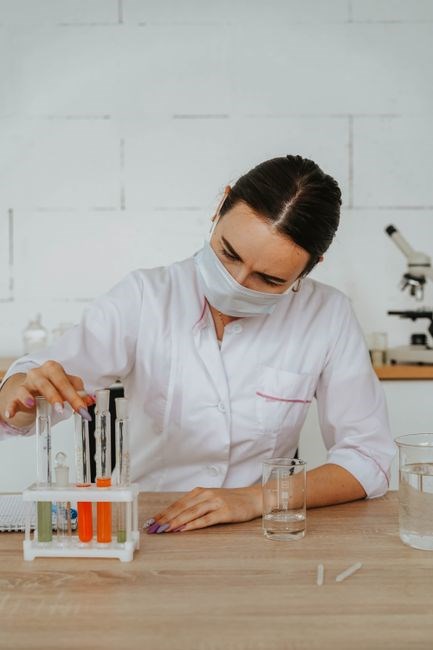
This manual compiles 10th‑edition principles‚ 2023 e‑textbook techniques‚ and traditional two‑semester lab activities‚ offering students hands‑on safety practice‚ concept reinforcement‚ and diverse experiments from synthesis to hydrocarbon analysis. It integrates data sets and encourages crit analysis.!
Historical Development and Relevance of Chemistry Lab Manuals
From the early 19th‑century laboratory notebooks that guided apprentices in alchemy and mineralogy to today’s digital e‑textbooks‚ chemistry lab manuals have evolved into indispensable pedagogical tools. The first formal manuals appeared in the 1840s‚ standardizing procedures for titrations‚ gas measurements‚ and the preparation of acids and bases. By the mid‑20th century‚ textbooks such as the 10th‑edition Principles of General Chemistry incorporated detailed experimental protocols‚ safety instructions‚ and data‑analysis worksheets‚ reflecting the growing emphasis on reproducibility and critical thinking. The 2023 edition of Chemistry Techniques and Explorations‚ an open‑access e‑textbook‚ represents a modern shift toward modular‚ technique‑based learning that separates foundational skills from exploratory investigations‚ allowing instructors to tailor content to diverse learning styles. Across decades‚ manuals have mirrored scientific progress: the introduction of spectrophotometry‚ chromatography‚ and computational modeling has been reflected in updated protocols and new apparatus descriptions. Their relevance today lies in bridging theory and practice‚ fostering laboratory competence‚ and preparing students for research‚ industry‚ and responsible citizenship in a world where chemical literacy is increasingly vital. By integrating historical context‚ contemporary technology‚ and rigorous safety standards‚ modern manuals serve as living documents that evolve alongside the discipline itself. It encourages collaboration and data‑sharing practices today.!
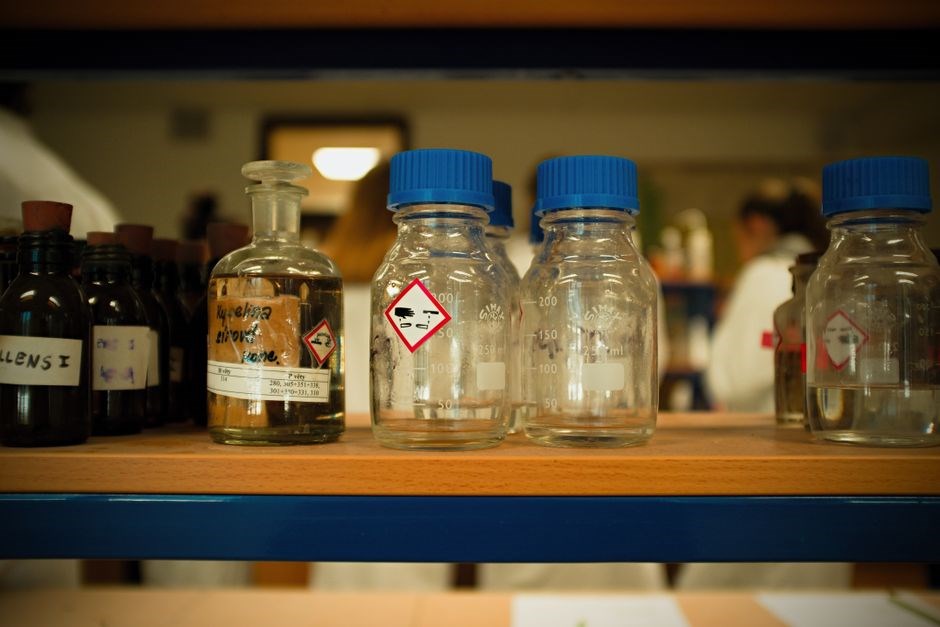
Scope and Learning Objectives
Students will master quantitative analysis‚ qualitative identification‚ and safety protocols‚ applying stoichiometry‚ thermodynamics‚ and spectroscopy to real‑world problems. The manual aligns with core chemistry concepts‚ fostering critical thinking‚ data interpretation‚ and collaborative inquiry and assess
Alignment with College‑Level General Chemistry Curriculum
Designed for a two‑semester introductory sequence‚ this laboratory manual dovetails with the standard general chemistry syllabus by emphasizing core themes such as atomic structure‚ bonding‚ thermodynamics‚ kinetics‚ equilibrium‚ and electrochemistry. Each experiment is mapped to a specific learning outcome‚ ensuring that students perform quantitative titrations‚ spectroscopic analyses‚ and kinetic studies that directly reinforce lecture concepts. The manual incorporates contemporary data sets‚ such as the 10th‑edition textbook’s synthesis pathways and the 2023 e‑textbook’s exploration modules‚ allowing instructors to align practical work with the most current research and industry practices. Assessment rubrics are explicitly tied to the course’s performance indicators‚ providing clear benchmarks for mastery of both procedural skills and conceptual understanding. By integrating safety protocols‚ reagent selection‚ and analytical techniques‚ the manual supports the development of laboratory competence while meeting accreditation standards for chemistry education. Faculty can customize modules to match institutional learning goals‚ ensuring that every lab session contributes to the overarching curriculum framework and prepares students for advanced study or professional practice.
The manual’s modular design allows instructors to sequence experiments in a logical progression‚ beginning with foundational quantitative techniques and advancing to complex analytical methods. Students record observations‚ calculate uncertainties‚ and compare experimental data with theoretical predictions‚ fostering a habit of critical evaluation. The inclusion of reflective prompts encourages learners to articulate the underlying principles and connect them to real‑world applications‚ thereby reinforcing conceptual depth promoting lifelong scientific curiosity
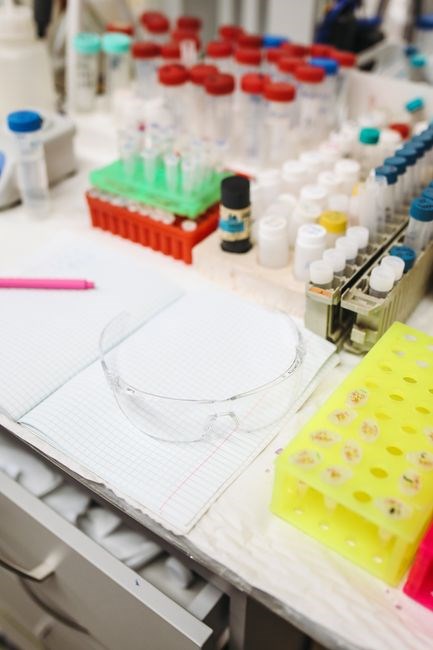
Safety Protocols and Hazard Management
All lab work follows safety guidelines: PPE‚ ventilation‚ eyewash stations‚ spill kits. Students receive pre‑lab briefings‚ handling training‚ and risk assessments for acids‚ solventshigh‑temperature. Waste segregation and containment protocols are enforced.
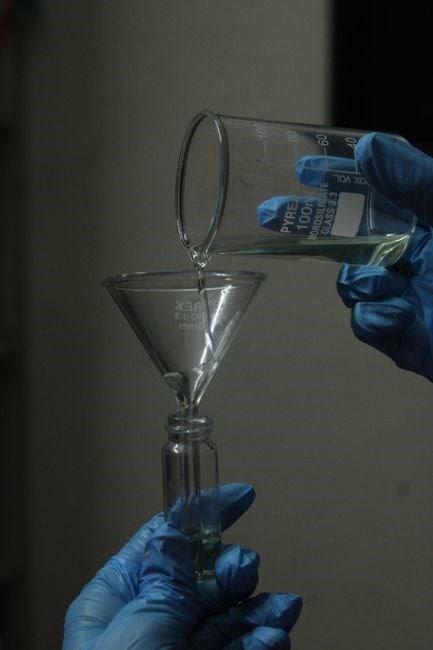
Standard Safety Procedures and Laboratory Practices
Before any experiment‚ students must attend a mandatory safety briefing covering personal protective equipment (PPE)‚ emergency response‚ and the use of eyewash stations‚ fire extinguishers‚ and spill kits. The laboratory is equipped with fume hoods‚ ventilation systems‚ and designated waste disposal areas to manage hazardous chemicals‚ including strong acids‚ flammable solvents‚ and reactive metals. All glassware is inspected for cracks and properly labeled. Students are trained to handle reagents with care‚ using appropriate containment vessels and avoiding splashes. The use of heat sources such as Bunsen burners and hot plates requires heat‑resistant mats and temperature monitoring to prevent overheating. Chemical spills are addressed immediately with the correct absorbent material‚ and the spill area is sealed off until cleanup is complete. Proper waste segregation is mandatory: acidic‚ basic‚ organic‚ and inorganic wastes are collected in separate containers with clear labeling. Fire safety protocols include the location of fire extinguishers and the use of fire blankets. Students must keep work areas tidy‚ dispose of trash promptly‚ and report any equipment malfunctions to the instructor. Finally‚ a post‑lab debrief ensures that all safety concerns are documented and that students understand the lessons learned from each experiment.
In addition‚ all students must wear lab coats‚ safety goggles‚ and closed‑toe shoes at all times. Gloves are selected based on the chemical’s hazard classification: nitrile for acids and bases‚ latex for general use‚ and neoprene for strong oxidizers. The laboratory maintains a logbook where each experiment’s hazards‚ required PPE‚ and emergency procedures are recorded. In case of a fire‚ students are instructed to use the fire extinguisher rated for chemical fires (Class B) and to keep a safe distance. For chemical burns‚ immediate rinsing with copious water for at least 15 minutes is mandatory. The laboratory also follows institutional guidelines for the disposal of hazardous waste‚ ensuring compliance with local environmental regulations. Regular safety audits are conducted to verify that all equipment is functioning correctly and that safety signage is visible and up to date. These procedures collectively create a culture of safety that protects students‚ staff‚ and the environment while enabling effective learning. All safety training is recorded in a digital log for audit purposes.
Essential Equipment and Consumables
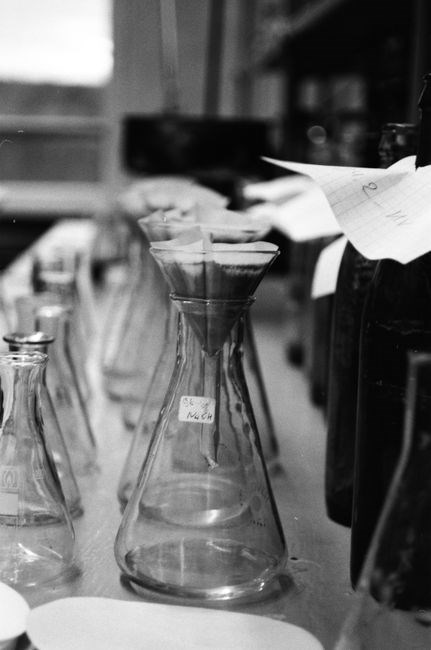
The manual lists essential glassware such as beakers‚ flasks‚ and pipettes‚ along with precision balances‚ Bunsen burners‚ and fume hoods. Consumables include analytical grade reagents‚ distilled water‚ and waste disposal bags. All items are cataloged for consistent lab use. All items stored in cabinet?
Key Instruments‚ Glassware‚ and Reagents
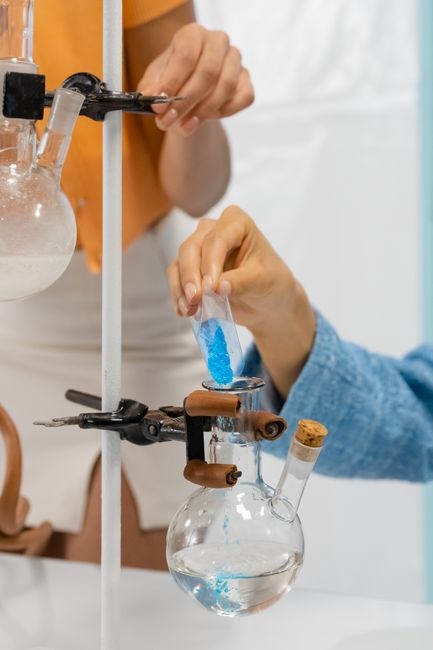
The manual catalogs essential instruments: calibrated balances‚ digital pH meters‚ temperature‑controlled baths‚ and fume hoods‚ each with calibration and maintenance guidelines. Standard glassware—250 mL Erlenmeyer flasks‚ 100 mL volumetric flasks‚ 50 mL graduated cylinders‚ 10 mL micropipettes—are listed with volume tolerances and cleaning instructions. High‑quality borosilicate glass is recommended for all vessels to prevent contamination and thermal shock. Reagent inventories include acids (hydrochloric‚ sulfuric‚ nitric)‚ bases (sodium hydroxide‚ potassium hydroxide)‚ solvents (ethanol‚ acetone‚ dichloromethane)‚ oxidizers (potassium permanganate‚ hydrogen peroxide)‚ and metal salts (sodium chloride‚ potassium nitrate). Each reagent entry specifies purity grade‚ storage conditions‚ and SDS reference. Consumables such as filter paper‚ cotton plugs‚ and rubber stoppers are provided with recommended sizes and compatibility notes. The section concludes with a checklist for pre‑lab preparation‚ ensuring instruments are calibrated‚ glassware is intact‚ and reagents are within expiry dates before experiments commence. The manual also provides detailed safety data sheets for each reagent‚ outlines proper waste disposal procedures‚ and includes a troubleshooting guide for common equipment malfunctions‚ ensuring students can independently manage laboratory protocols with confidence and precision. All equipment is calibrated annually and stored in a controlled area to maintain accuracy. Students learn to document observations carefully
Experiment Categories and Design
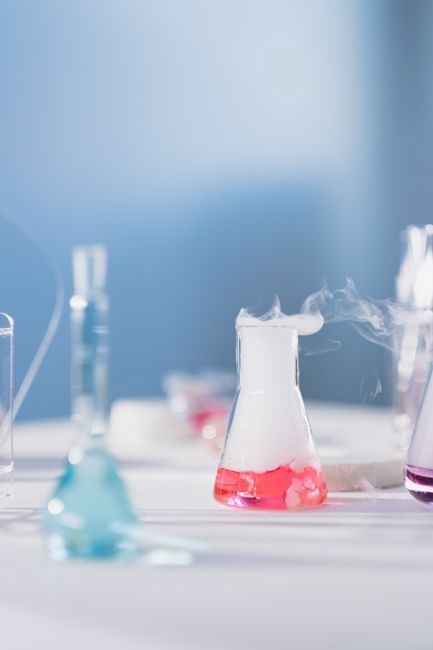
The manual separates Technique Experiments‚ focusing on procedural mastery‚ from Exploratory Investigations that encourage hypothesis testing. Each module blends safety‚ data analysis‚ and reflection‚ guiding students from guided practice to independent research.
Technique Experiments vs. Exploratory Investigations
Technique experiments are concise‚ step‑by‑step protocols that train students in precise measurement‚ proper glassware handling‚ and safety compliance. They focus on reproducing established reactions—titrations‚ simple syntheses‚ or quantitative analyses—so learners develop reproducibility and systematic data collection.
Exploratory investigations encourage hypothesis generation‚ experimental design‚ and interpretation of unexpected results. Students may vary parameters‚ test novel reagents‚ or explore new reaction pathways. The emphasis is on critical thinking‚ problem‑solving‚ and scientific communication rather than a single correct outcome.
Each category is clearly labeled in the manual. Technique modules include safety checklists‚ calibrated equipment lists‚ and detailed instructions. Exploratory modules provide guiding questions‚ suggested literature‚ and flexible protocols‚ allowing instructors to tailor the level of freedom.
Students maintain laboratory notebooks‚ record observations‚ and discuss potential sources of error. Peer review sessions and reflective discussions reinforce learning. By integrating both approaches‚ learners acquire a balanced skill set that prepares them for advanced research and professional practice.
Instructors receive assessment rubrics‚ troubleshooting guides‚ and optional extension activities; The modular design supports flexible sequencing‚ enabling educators to emphasize procedural rigor or investigative creativity objectives and student readiness.
Pedagogical Strategies and Techniques
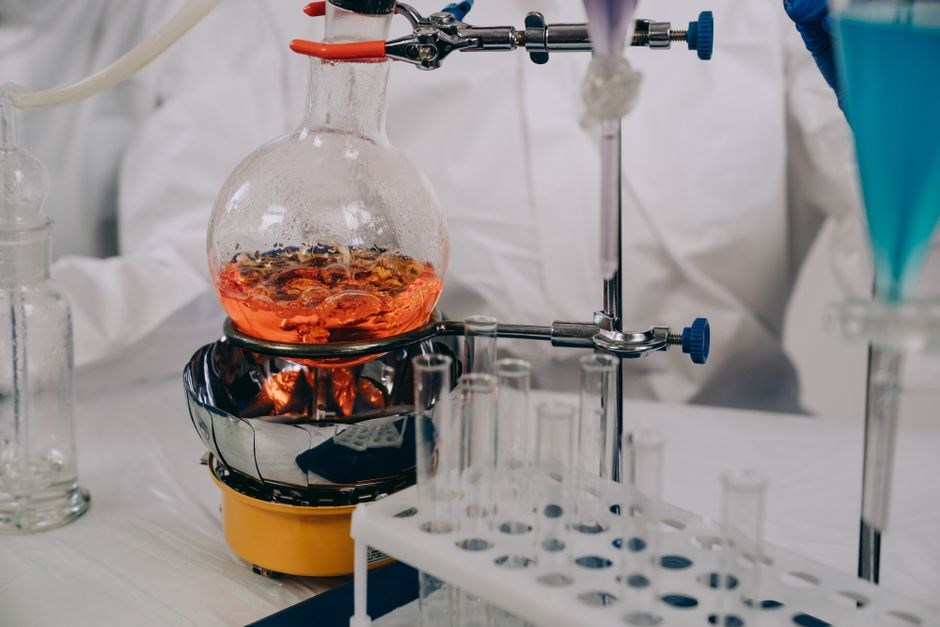
Active learning‚ collaborative labs‚ flipped‑classroom prep‚ real‑time data analysis‚ peer instruction‚ and reflective journaling build competence. Structured labs‚ modular tasks‚ and formative feedback foster mastery and scientific inquiry. Hands‑on problem solving inquiry discussions boost engagement !
Active Learning and Hands-On Skill Acquisition
Active learning in the manual chemistry laboratory is achieved through a blend of structured inquiry‚ peer collaboration‚ and real‑time data interpretation. Students begin each session by reviewing concise pre‑lab materials that outline objectives‚ safety protocols‚ and key concepts drawn from the 10th‑edition principles and the 2023 e‑textbook. During the experiment‚ learners perform measurements‚ record observations‚ and immediately plot results using integrated software‚ reinforcing the connection between theory and practice. Group discussions after data collection allow students to critique methods‚ identify sources of error‚ and propose improvements‚ fostering critical thinking. Rotational stations expose participants to diverse techniques—spectroscopy‚ titration‚ and gas‑chromatography—ensuring balanced skill development. Reflection journals capture insights‚ enabling self‑assessment and targeted feedback from instructors. By integrating these strategies‚ the manual cultivates a dynamic learning environment where hands‑on skill acquisition is both measurable and deeply rooted in scientific inquiry.The manual also incorporates digital tools such as virtual lab simulations‚ real‑time data logging apps‚ and collaborative platforms that enable remote participation‚ allowing students to extend learning beyond the physical lab and develop proficiency in modern analytical software‚ thereby bridging theoretical concepts with industry‑grade technology. Peer‑reviewed reports sharpen communication‚ for collaborative daily science!!
Assessment‚ Evaluation‚ and Resources
Assessment blends formative quizzes‚ lab reports‚ and peer reviews‚ while summative exams test conceptual mastery. Resources include the 10th‑edition manual‚ 2023 e‑textbook‚ online databases‚ and simulation tools. Continuous feedback refines learning. Students submit reflective essays to deepen understanding!.
Formative and Summative Assessment Methods
In the laboratory manual‚ formative assessment is embedded throughout each experiment. Students complete pre‑lab quizzes that probe theoretical foundations‚ followed by in‑lab checklists that verify procedural accuracy and safety compliance. Immediate instructor feedback on these checklists guides iterative improvement. Summative assessment culminates in comprehensive lab reports that require data analysis‚ error evaluation‚ and critical discussion of results. Peer‑review sessions allow learners to critique experimental design and presentation‚ fostering collaborative evaluation skills. Additionally‚ a final exam integrates conceptual questions with practical problem‑solving scenarios drawn from the manual’s case studies. The assessment framework aligns with Bloom’s taxonomy‚ ensuring that lower‑order recall tasks are paired with higher‑order synthesis and evaluation. Digital rubrics are provided for each rubric category‚ offering transparent grading criteria. Students also engage in reflective journals‚ documenting troubleshooting strategies and personal growth throughout the semester. This multi‑modal approach ensures that assessment is continuous‚ varied‚ and directly tied to the learning objectives outlined in the manual.
Assessment data are compiled into a dashboard that tracks individual progress‚ identifies common misconceptions‚ and informs targeted remediation. Instructors use analytics to adjust pacing and provide tutorials. Students receive feedback reports that recommend activities.!!
No Responses