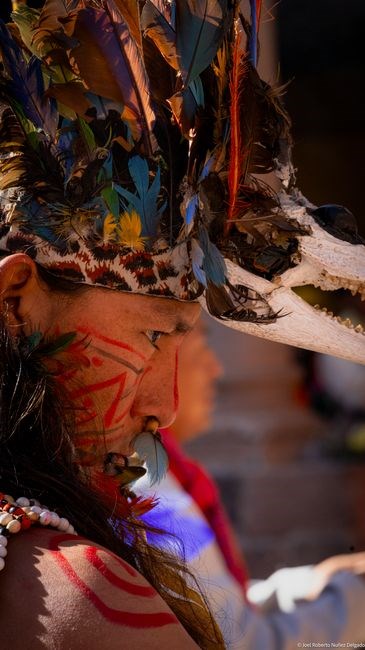
Native American Indian spirit guides are revered entities that embody ancestral wisdom, guiding individuals through life’s challenges. These guides, often linked to nature, offer protection, insight, and balance, fostering a deep connection between people and the spiritual realm. They guide seekers now.!
1.1 Overview of Spirit Guides in Native American Culture
Spirit guides occupy a central place in Native American Indian cosmology, acting as intermediaries between the earthly realm and the divine. These entities, often rooted in the natural world, are believed to embody the essence of animals, plants, celestial bodies, and ancestral spirits. They serve as mentors, protectors, and teachers, offering guidance through rituals, dreams, and symbolic signs. The relationship between a person and their guide is considered a lifelong partnership, forged through mutual respect, shared experiences, and a deep sense of purpose. Many tribes view the guide as a living presence that can be invoked during ceremonies, healing practices, or moments of personal crisis. The guide’s influence is felt in everyday decisions, creative endeavors, and communal gatherings, reinforcing a sense of belonging and continuity. Understanding the role of spirit guides requires an appreciation of the interconnectedness of all life, the reverence for nature, and the importance of storytelling as a means of transmitting knowledge across generations. In contemporary contexts, the concept of spirit guides continues to inspire individuals seeking deeper meaning, fostering a connection to heritage and the natural world that transcends time;
Across North America, each tribe interprets spirit guides through its unique worldview, yet shared themes weave through their stories. The guides embody the land’s history, carrying lessons that resonate across generations. They are invoked in communal gatherings, personal rites, and moments of reflection, reminding people of their place within the larger tapestry of existence. This relationship underscores profound respect for unseen forces shaping life in every breath, awe.
Historical Context
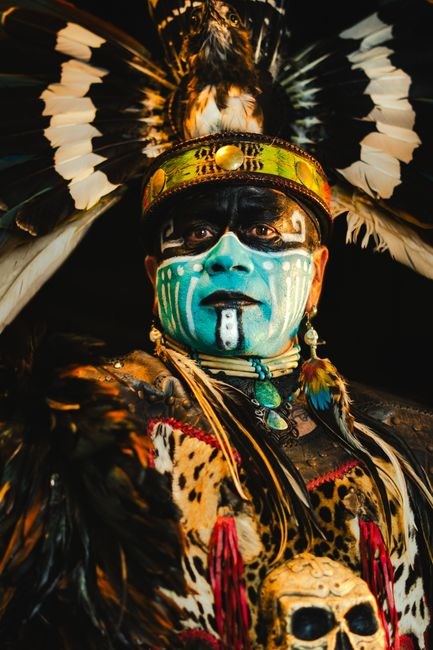
Ancient narratives trace spirit guides to the dawn of tribal societies, where hunters and healers recorded encounters with animal spirits in oral lore. Over centuries, these guides evolved, intertwining with shamanic rites, migration tales cosmological myths shaping identity guiding communal resilience.!!!!
2.1 Origins and Evolution Across Tribes
From the earliest hunter‑gatherer bands of the Great Plains to the intricate cosmologies of the Southwest, Native American spirit guides emerged as living embodiments of the natural world; Oral traditions preserved stories in which ancestors communicated through the voices of wolves, eagles, and serpents, each narrative reflecting a tribe’s unique worldview. As societies migrated, traded, and encountered new environments, these guides adapted, absorbing regional symbols and shifting meanings. For example, the Navajo revered the “White Buffalo Calf Woman” as a conduit of sacred knowledge, while the Lakota honored the “White Buffalo” as central to their vision quests. The evolution of spirit guides mirrored social changes: the rise of tribal councils, the influence of neighboring cultures, and later, the impact of European colonization. Missionaries and settlers often misinterpreted or suppressed these spiritual practices, yet many communities clandestinely preserved them, embedding them into ceremonies, songs, and art. In the 20th century, the civil rights movement and a resurgence of indigenous identity politics revitalized interest in traditional shamanic roles. Contemporary scholars now document these guides through ethnographic studies, while elders continue to transmit knowledge orally, ensuring continuity. The resilience of these traditions is evident in modern festivals where drumming circles echo ancestral rhythms, and in healing circles that honor the animal spirits as co‑therapists. The intergenerational transmission of stories ensures that each new generation inherits a living map of the cosmos, guiding them toward harmony with the land and each other. In academic circles, comparative studies reveal parallels between Native American spirit guides and shamanic practices worldwide, underscoring a universal human need to personify nature’s forces.
Types of Spirit Guides
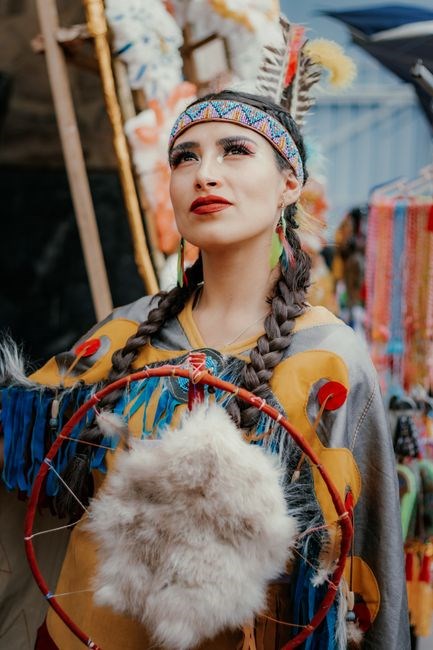
Across tribes, guides range from soaring eagles to patient turtles, each embodying distinct virtues. Some are protective, others prophetic, and many serve as bridges between the earthly and the divine, guiding seekers toward balance, wisdom, and renewal. and harmony.
3.1 Animal Guides
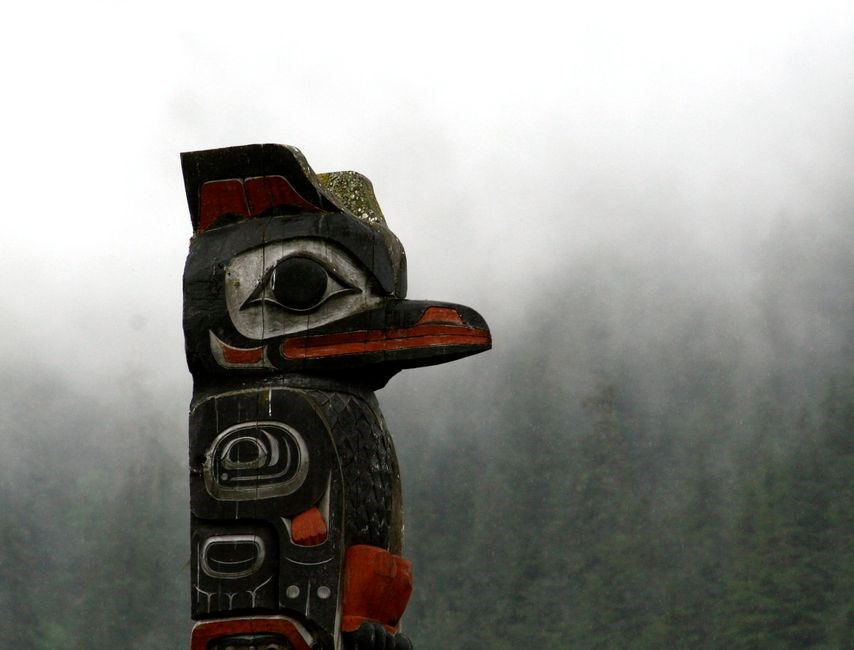
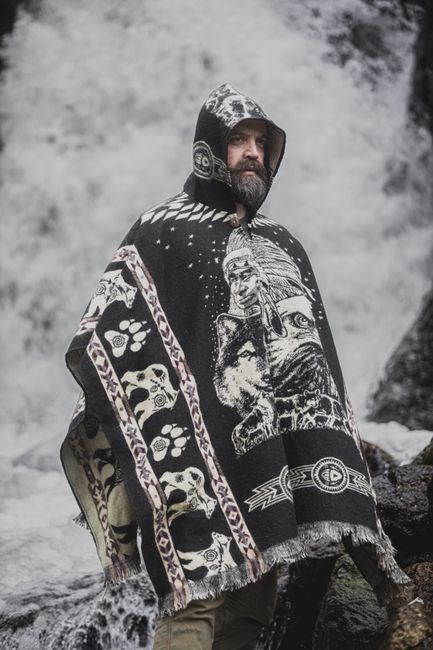
In Native American traditions, animal guides are revered as living embodiments of spiritual forces, each carrying unique qualities that reflect the diverse ecosystems and cultural narratives of the peoples. These guides are not merely symbols but are believed to communicate directly with individuals, offering counsel, protection, and insight during crucial moments. The selection of a particular animal often aligns with a person’s lineage, personal journey or the specific challenges they face, forging a bond that transcends ordinary perception. For instance, the eagle, with its soaring vision and keen awareness, is frequently invoked for clarity and the ability to see beyond immediate circumstances. Its presence is thought to elevate the spirit, encouraging perspective and the courage to pursue lofty goals. Conversely, the humble turtle, with its patient pace and resilience, serves as a reminder of the importance of progress, grounding, and the wisdom that comes from time. In many ceremonies, the bear is called upon to embody strength, healing, and the capacity to confront inner darkness, while the wolf, with its keen sense of community and loyalty, guides individuals toward collective harmony and the value of shared purpose. Each animal’s characteristics are intertwined with the natural world’s rhythms, and their stories are passed down through oral histories, songs, and visual arts, ensuring that the knowledge remains vibrant across generations. Such rituals honor the animal’s spirit, todayrespect!.
Symbolism and Meaning
Spirit guides embody natural forces, each symbolizing traits like courage, wisdom, or healing. Their imagery links people to ancestors,land, cosmology, offering direction and protection. Through stories, songs, and ceremonies, communities honor these beings, reinforcing identity and spiritual balance.!
4.1 Cultural Significance of Each Guide
Each spirit guide holds deep cultural meaning, intertwining with tribal myths, rituals, and identity. For example, the eagle symbolizes vision and spiritual ascent, while the bear represents strength and healing. The raven, often a trickster, teaches adaptability and humility. These beings are not merely symbolic; they are living connections to ancestors, guiding moral values, communal cohesion, and ecological stewardship. In ceremonies, their stories are recited, songs are sung, and visual arts depict their presence, reinforcing collective memory. The significance varies across tribes: the Navajo honor the coyote as a teacher, while the Lakota revere the buffalo as a provider. Such diversity reflects each community’s relationship with the land, its resources, and its cosmology. The guides also embody the principle of balance—between human and nature, between individual and community. Their presence in daily life—through dreams, visions, or natural signs—reminds people to respect the earth, honor lineage, and act with humility. Thus, each guide’s cultural significance is a living narrative that sustains spiritual practice, informs ethical conduct, and preserves cultural heritage for future generations.
These guides also serve as living archives, preserving stories that explain natural cycles, weather patterns, and the moral lessons of each generation. They encourage respectful stewardship of the earth, reminding communities that every action echoes through time, binding past, present, and into a continuum!
Methods of Connection
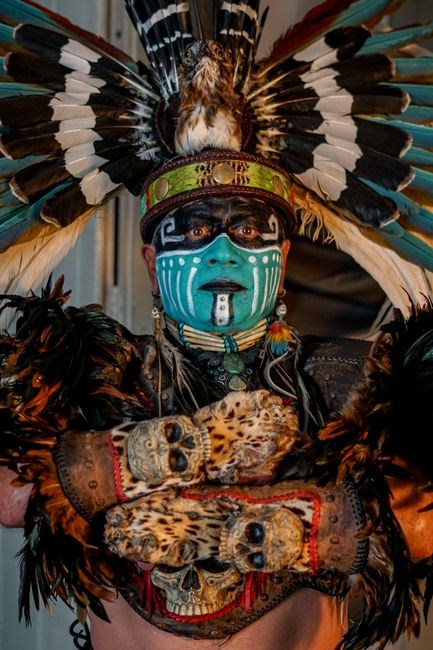
Traditional practices include quiet meditation, dream journaling, and rituals Participants honor cycles, offering prayers at sunrise or moonlit gatherings. Observing animal tracks, listening to wind patterns, and visualizations help seekers connect with their deep guide. and honor the earth for all.
5.1 Traditional Practices and Rites
In many tribes, the first step toward a spirit guide is to establish a quiet, sacred space. Participants sit in a circle of cedar sticks, light a bowl of sweetgrass, and allow the scent to carry prayers to the sky. By breathing slowly, they invite the presence of the guide, listening for subtle shifts in the wind or the rustle of leaves.
Rituals often involve drums, rattles, and singing. The drumbeat sets a pulse that aligns heartbeats with the earth’s tempo. Rattles, made from gourds or shells, create vibrations believed to echo the guide’s energy, making it easier for seekers to feel a connection. Songs, whether ancestral chants or improvised melodies, serve as a bridge between the human and the divine.
Another common rite is the dream walk. Participants spend a night in a clearing, sleeping on a blanket of moss and listening to night sounds. In the morning, they record any dreams or visions, interpreting symbols that might point to a particular animal or spirit. These dreams are then honored in a communal ceremony where stories are shared and the guide’s message is amplified.
Finally, many traditions emphasize the importance of offering. A bowl of water a handful of seeds or a piece of cedar bark is left at a sacred spot. This act of giving is seen as a reciprocal gesture, acknowledging the guide’s support and inviting guidance. The offering is often accompanied by a prayer quietly softlyand the seeker may feel the guide’s presence as a gentle, reassuring warmth!
Modern Interpretations
Today, Native American spirit guide concepts inspire mindfulness, therapy. Practitioners blend traditional symbolism with contemporary practices, using guided imagery, meditation, and ecological awareness to honor ancestral wisdom while fostering inner resilience.
6.1 Spirituality and Therapy Today
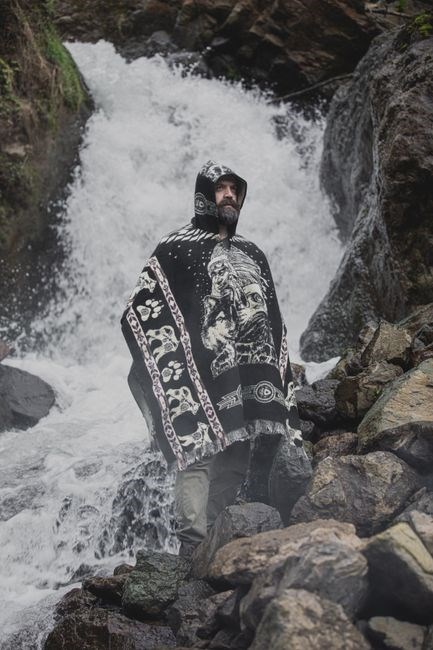
In modern therapeutic settings, practitioners are increasingly incorporating Native American spirit guide traditions as a culturally grounded tool for healing. By inviting clients to identify a guide—often an animal, element, or ancestral figure—therapists facilitate a dialogue that transcends conventional cognitive models. The process typically begins with a grounding exercise: participants close their eyes, breathe slowly, and imagine a natural environment that feels safe. As the guide emerges through sensory cues—such as the scent of pine, the rhythm of water, or the feel of wind—clients can establish a tangible connection. The guide’s attributes (courage, wisdom, patience) are then explored in relation to the client’s current challenges, providing a scaffold for reframing negative patterns. Research suggests that this symbolic engagement activates the brain’s reward circuits, promoting emotional regulation and resilience. Importantly, the practice honors cultural heritage by encouraging respectful inquiry and, when appropriate, collaboration with tribal elders or cultural consultants. In addition, the presence of a spirit guide fosters ecological mindfulness, reminding individuals of their interdependence with the natural world. As interdisciplinary studies examine neurobiological correlates, the integration of spirit guide concepts exemplifies a bridge between ancient wisdom and contemporary science, offering a compassionate, culturally sensitive pathway toward healing and self‑actualization.

Ethical Considerations
Respecting Native American spirit guide traditions demands cultural humility, informed consent, and collaboration with tribal communities. Avoiding appropriation means acknowledging origins, seeking permission, and honoring sacred symbols. Ethical practice supports healing while preserving heritage. Respect.
7.1 Respecting Cultural Heritage and Avoiding Appropriation
When engaging with Native American spirit guide traditions, practitioners must first acknowledge the experiences of peoples who have cultivated these practices for millennia. This acknowledgment is not a mere formality; it is a foundational act of respect that recognizes spirit guides as sacred embodiments of tribal cosmologies, and ceremonies.
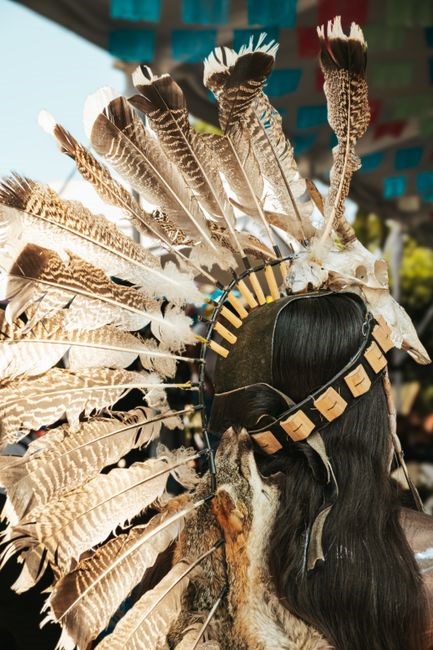
Respectful engagement begins with consent. When a guide is invoked or a symbol is used, the practitioner should seek permission from a authority within the relevant tribe, such as a tribal elder, cultural liaison, or council. This consent should be documented, and the practitioner must remain responsive to feedback;
Collaboration is another pillar of ethical practice. Instead of appropriating a guide’s image or story for personal gain, practitioners can partner with tribal members to co‑create educational materials, workshops, or healing sessions. These collaborations should be equitable, ensuring the community receives recognition, fair compensation, and tangible benefits and support.
Education is a tool against appropriation. Practitioners should invest time in learning the history, language, and realities of the tribe whose guide they wish to honor. This learning should extend beyond textbook knowledge to include listening to community narratives, participation in cultural events, and engagement with modern tribal leaders.
Finally, ethical practice demands ongoing reflection. Practitioners should regularly assess their motivations, the impact of their actions on the community, and the integrity of the guide’s representation. If a guide’s use inadvertently perpetuates stereotypes or commodifies sacred knowledge, the practitioner must step back, reassess, and cease the practice public!!! …
No Responses