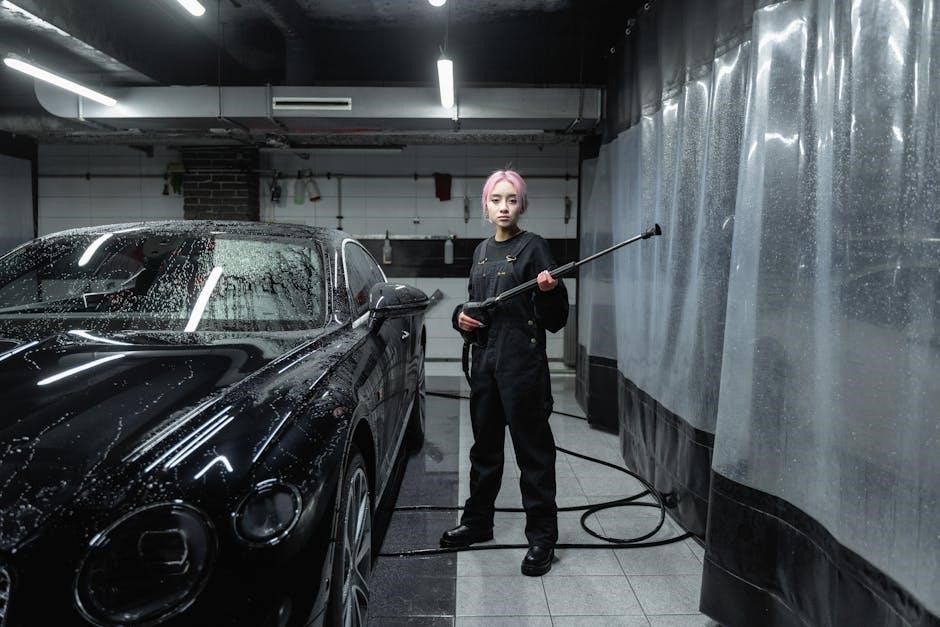
Greenworks 2000 PSI Pressure Washer Manual: A Comprehensive Guide
This comprehensive guide details the Greenworks 2000 PSI pressure washer, offering crucial safety precautions, assembly instructions, and operational guidance for optimal performance and longevity․
Welcome to the world of powerful, yet eco-friendly cleaning with your Greenworks 2000 PSI Electric Pressure Washer! This manual serves as your complete resource for understanding, safely operating, and maintaining this versatile cleaning tool․ Greenworks is a leading innovator in battery-powered and electric outdoor equipment, dedicated to providing performance without the pollution․
The GPW2000 model is designed for a wide range of cleaning tasks around your home and property, from washing cars and siding to cleaning decks and patios; This pressure washer delivers 2000 PSI of cleaning power with a flow rate of 1․2 GPM, effectively removing dirt, grime, and mildew․ Before first use, carefully review this manual, paying close attention to the safety precautions and operating instructions․ Proper understanding will ensure efficient cleaning and prolong the life of your Greenworks pressure washer․
Understanding the GPW2000 Model
The Greenworks GPW2000 is a PWMA certified, 2000 PSI / 1․2 GPM electric pressure washer, designed for homeowner use․ It features a 13-amp motor providing reliable power for various cleaning applications․ This model distinguishes itself with its ease of use, portability, and environmentally friendly electric operation – eliminating the need for gas and oil․
Key components include a high-pressure hose, adjustable nozzle, detergent tank for applying cleaning solutions, and a trigger-controlled spray gun․ The GPW2000’s design prioritizes user convenience, with features like onboard hose storage and a compact frame․ Understanding the function of each component, as detailed in this manual, is crucial for maximizing cleaning efficiency and ensuring safe operation․ Familiarize yourself with the specifications and capabilities of the GPW2000 before commencing any cleaning task․

Safety Precautions & Important Warnings
Always read the operator’s manual before use; failure to understand warnings and instructions can result in serious injury or property damage during operation․
General Safety Rules for Pressure Washers
Before operating any pressure washer, including the Greenworks 2000 PSI model, familiarize yourself with fundamental safety protocols․ Always disconnect the power source before servicing or changing accessories․ Never point the wand at yourself or others, as the high-pressure stream can cause severe injury․
Wear appropriate eye protection to shield against debris and potential splashes․ Securely connect all hoses and fittings to prevent leaks and potential hazards․ Avoid using the pressure washer on electrical components or near live wires․
Maintain a safe distance from children and pets during operation․ Be mindful of the spray pattern and avoid directing it towards fragile surfaces․ Never modify the pressure washer in any way, as this could compromise its safety features․
Always operate the pressure washer on a stable and level surface․
Specific Warnings for the Greenworks 2000 PSI Model
The Greenworks 2000 PSI pressure washer, while powerful, requires adherence to specific warnings․ Do not operate the unit if the power cord or plug is damaged․ Ensure the detergent tank is properly secured before use to prevent spills and potential damage․
Avoid using abrasive detergents, as they can harm the pump and other components․ Never leave the pressure washer unattended while running․ Regularly inspect the high-pressure hose for wear and tear, replacing it if necessary․
If you do not understand the instructions in the operator’s manual, do not use this product; contact Greenworks customer service for assistance․
This electric power washer is designed for residential use only; avoid commercial applications․

Components and Features
The Greenworks 2000 PSI model boasts a powerful motor, adjustable nozzles, a detergent tank, a high-pressure hose, and a convenient spray gun for versatile cleaning․
Nozzle Selection and Functionality
The Greenworks 2000 PSI pressure washer includes multiple nozzles, each designed for specific cleaning tasks․ Understanding their functionality is crucial for effective operation and preventing damage․ Typically, a 0-degree nozzle delivers a concentrated, powerful stream ideal for stubborn, stuck-on dirt, but use caution as it can etch surfaces․
A 25-degree nozzle provides a wider spray pattern for general cleaning, while a 40-degree nozzle is suitable for more delicate surfaces like painted wood or vehicles․ The soap nozzle, often white, is designed for applying detergent, creating a foamy solution for enhanced cleaning power․
Always refer to the manual for specific nozzle recommendations based on the surface you are cleaning․ Incorrect nozzle selection can lead to damage or ineffective cleaning․ Regularly inspect nozzles for clogs and clean them as needed to maintain optimal performance․
Hose and Wand Assembly
Proper hose and wand assembly is vital for safe and efficient operation of your Greenworks 2000 PSI pressure washer․ Begin by securely connecting the high-pressure hose to both the pressure washer pump outlet and the spray gun inlet, ensuring a tight, leak-proof fit․ Hand-tighten initially, then use a wrench for a final secure connection․
Next, attach the wand to the spray gun, aligning the locking mechanism and twisting to secure it in place․ Verify the wand is firmly attached before use to prevent accidental disconnection during operation․ Inspect the hose for any kinks, cuts, or damage before each use․
Always ensure all connections are properly tightened before starting the pressure washer․ A loose connection can result in reduced pressure or potential injury․ Refer to the manual’s diagrams for visual guidance on correct assembly․
Detergent Tank and Application
The Greenworks 2000 PSI pressure washer features an integrated detergent tank for convenient cleaning solution application․ To fill the tank, detach it from the unit and carefully pour in a pressure washer-specific detergent, avoiding overfilling․ Reattach the tank securely, ensuring it clicks into place․
The detergent application rate is typically adjustable via a dial or selector on the spray gun․ Experiment with different settings to achieve the desired cleaning strength․ Always test the detergent on an inconspicuous area first to ensure compatibility with the surface․
Avoid using harsh chemicals or abrasive cleaners, as these can damage the unit or the surface being cleaned․ Rinse the detergent tank thoroughly after each use to prevent clogging and maintain optimal performance․
Assembly Instructions
Proper assembly is crucial for safe and effective operation․ This section provides step-by-step guidance for connecting the water supply, hose, and spray gun components․
Connecting the Water Supply
Before initiating assembly, ensure the pressure washer is switched off and unplugged from the electrical outlet․ Connect the provided water inlet adapter to a standard garden hose․ Securely attach the garden hose to an outdoor water faucet, ensuring a tight connection to prevent leaks during operation․
It is vital to use a clean water source, free from debris, to avoid damaging the pump․ Check the water supply for adequate pressure – a minimum of 20 PSI is generally recommended for optimal performance․ Slowly turn on the water faucet, allowing the water to flow through the hose and into the pressure washer’s water inlet․
Inspect all connections for leaks․ If leaks are detected, tighten the connections or replace the washers as needed․ Never operate the pressure washer without a properly connected water supply, as this can cause severe damage to the pump․
Attaching the High-Pressure Hose
With the water supply connected and the pressure washer still unplugged, proceed to attach the high-pressure hose․ Locate the high-pressure hose and carefully align the quick-connect coupling with the corresponding port on the pressure washer pump․ Push the coupling firmly into the port until it clicks securely into place․
Ensure the connection is tight and free from any cross-threading․ Next, connect the other end of the high-pressure hose to the spray gun, again using the quick-connect mechanism․ Verify that this connection is also secure before proceeding․
Inspect the entire length of the hose for any kinks or damage․ A damaged hose can burst under pressure, posing a safety hazard․ Never attempt to repair a damaged hose; replace it immediately․ Proper hose attachment is crucial for safe and effective operation․
Assembling the Spray Gun and Wand
After securely attaching the high-pressure hose, assemble the spray gun and wand for optimal cleaning reach․ Begin by aligning the wand with the spray gun’s designated connection point․ Gently insert the wand into the spray gun, ensuring a snug and secure fit – a clicking sound often confirms proper engagement․
Verify the wand is firmly locked in place before applying any pressure․ Next, select the desired nozzle based on your cleaning task (refer to the nozzle selection guide)․ Attach the nozzle to the wand’s nozzle receiver, again listening for a secure click․
Always double-check all connections before operation․ A loose wand or nozzle can lead to reduced pressure and potential injury; Proper assembly ensures efficient cleaning and user safety․

Operating Instructions
To begin, connect the water supply and power source, then start the pressure washer following the detailed instructions․ Adjust pressure settings carefully for effective cleaning․
Starting and Stopping the Pressure Washer
Before starting, ensure all connections are secure – water supply, high-pressure hose, and spray wand․ Verify the power switch is in the “OFF” position․ Connect the pressure washer to a grounded electrical outlet matching the unit’s requirements․ Turn the power switch to “ON”․
The pressure washer will now build pressure; this may take a few moments․ Once pressure is established, squeeze the trigger on the spray gun to begin spraying․ To stop, release the trigger․ Always turn the power switch to “OFF” and disconnect the power cord when not in use, or when leaving the unit unattended․
Never attempt to adjust the pressure while the unit is running; Allow the pressure to fully release before disconnecting any components․ Following these steps ensures safe and efficient operation of your Greenworks 2000 PSI pressure washer․
Adjusting Pressure Settings
The Greenworks 2000 PSI pressure washer offers adjustable pressure settings to accommodate various cleaning tasks․ Typically, this is achieved through interchangeable nozzles, each providing a different spray pattern and intensity․ Lower pressure settings, utilizing wider-angle nozzles, are ideal for delicate surfaces like painted wood or vehicles․
For tougher jobs, such as concrete or heavily soiled surfaces, switch to a narrower-angle nozzle to increase the pressure․ Always begin with the lowest pressure setting and gradually increase it until the desired cleaning effect is achieved․ Avoid using maximum pressure on fragile materials to prevent damage․
Refer to the nozzle chart included with your unit for specific pressure recommendations․ Proper pressure adjustment extends the life of both the washer and the surfaces being cleaned․
Proper Spraying Techniques
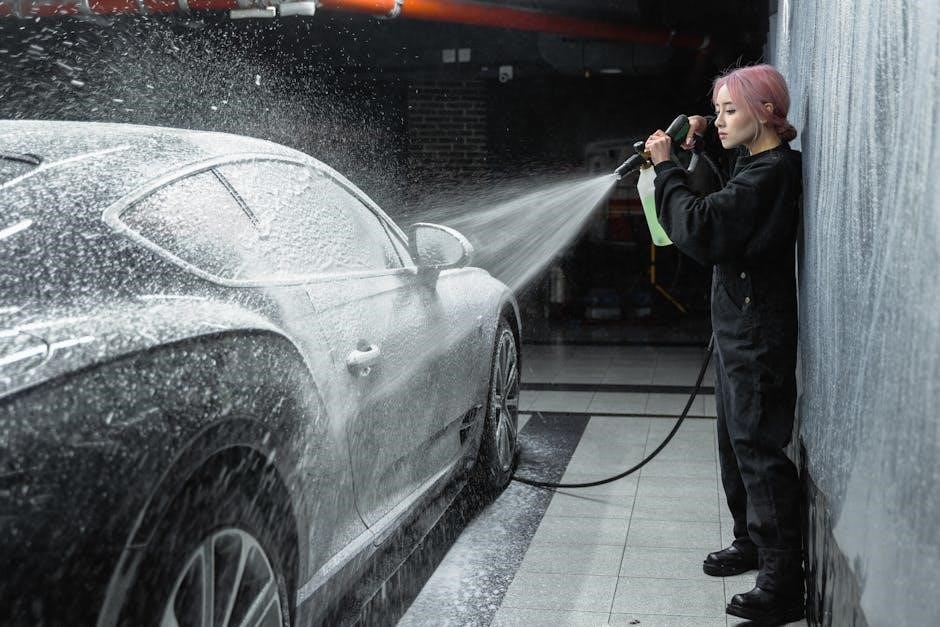
Effective cleaning with your Greenworks 2000 PSI pressure washer relies on employing correct spraying techniques․ Maintain a consistent distance from the surface – generally, 8-12 inches is a good starting point․ Begin spraying at an angle, gradually working your way across the area to avoid streaking or uneven cleaning․
Utilize sweeping motions, overlapping each pass slightly, to ensure complete coverage․ Avoid prolonged focus on a single spot, as this can cause damage․ When using detergent, apply it using the detergent tank and low-pressure settings, allowing sufficient dwell time before rinsing․
Always spray in a downward motion to prevent water from being forced under siding or into electrical components․ Test a small, inconspicuous area first to verify compatibility and pressure settings․

Maintenance and Troubleshooting
Regular cleaning, nozzle maintenance, and addressing common issues like low pressure or leaks will ensure your Greenworks 2000 PSI washer’s longevity․
Cleaning and Storing the Pressure Washer
After each use, disconnect the water supply and high-pressure hose from the Greenworks 2000 PSI pressure washer․ Flush the detergent tank with clean water to prevent clogging and residue buildup․ Wipe down the exterior of the unit with a damp cloth to remove dirt and debris․
Before long-term storage, ensure the pressure washer is completely dry․ Store the unit in a clean, dry, and frost-free location․ Protect it from extreme temperatures and direct sunlight․ Properly coil and store the high-pressure hose to prevent kinks and damage․ Consider using a hose reel for convenient storage․
Inspect the nozzles for any blockages and clean them as needed․ Following these simple cleaning and storage procedures will help maintain the performance and extend the lifespan of your Greenworks pressure washer․
Nozzle Cleaning and Maintenance
Regular nozzle cleaning is vital for maintaining optimal performance of your Greenworks 2000 PSI pressure washer․ Over time, mineral deposits and debris can clog the nozzle openings, reducing pressure and spray pattern quality․ To clean, disconnect the nozzle from the wand․
Use a nozzle cleaning tool or a thin wire to carefully remove any obstructions from the nozzle orifice․ Avoid using sharp objects that could damage the nozzle․ Rinse the nozzle thoroughly with water to flush out any remaining debris․
Inspect the nozzles for wear and tear․ Replace any damaged or worn nozzles to ensure consistent and effective cleaning․ Proper nozzle maintenance guarantees efficient operation and extends the life of your pressure washing equipment․
Troubleshooting Common Issues (e․g․, Low Pressure, Leaks)
If experiencing low pressure, first verify the water supply is fully on and free of obstructions․ Check the high-pressure hose for kinks or damage, and ensure the nozzle isn’t clogged – cleaning is essential! Inspect the water inlet filter for debris and clean if necessary․
For leaks, examine all hose connections, ensuring they are tight and secure․ Check the spray gun and wand for cracks or damage․ If leaks persist, discontinue use and contact Greenworks customer service․
If the unit fails to start, confirm the power cord is properly connected and the outlet is functioning․ Always consult the full manual for detailed troubleshooting steps and safety guidelines before attempting repairs․
Warranty Information
Greenworks Elite offers warranty coverage for defects in materials and workmanship, with limitations as outlined in the operator’s manual documentation․
Greenworks Warranty Coverage Details
Greenworks warranties cover defects in materials and factory workmanship for a specified period, varying by product type and registration status․ Typically, the warranty begins on the date of purchase․
For the 2000 PSI pressure washer, coverage generally includes defects affecting functionality, but excludes items subject to normal wear and tear, such as nozzles, hoses, and O-rings․ Damage resulting from misuse, abuse, improper maintenance, or unauthorized repairs voids the warranty․
To make a warranty claim, consumers must provide proof of purchase and contact Greenworks customer service․ Greenworks, at its discretion, will repair or replace defective parts or the entire unit․ Registration of the product may extend the warranty period, so it’s highly recommended․
Always refer to the official warranty statement included with your Greenworks 2000 PSI pressure washer for complete details and specific terms․
Limitations of the Warranty
The Greenworks warranty for the 2000 PSI pressure washer has specific limitations․ It doesn’t cover damage from freezing, improper storage, or using the washer with non-approved detergents․
Commercial or rental use automatically voids the residential warranty․ Alterations or modifications to the unit are also excluded, as are failures resulting from acts of God or external factors beyond Greenworks’ control․ Consumable parts, like nozzles and filters, aren’t covered under warranty․
Furthermore, the warranty doesn’t reimburse for incidental or consequential damages, including lost time or property damage․ Transportation costs for returning the unit for repair or replacement are the responsibility of the consumer․
Always retain original packaging and proof of purchase for warranty claims․ Refer to the full warranty documentation for a comprehensive understanding of exclusions․

Technical Specifications
The Greenworks 2000 PSI model delivers 2000 PSI at 1․2 GPM, requiring standard 120V electrical input, and weighs approximately 49․6 pounds for portability․
PSI and GPM Output
Understanding the pressure output, measured in pounds per square inch (PSI), and the water flow rate, measured in gallons per minute (GPM), is crucial for determining the cleaning power of the Greenworks 2000 PSI pressure washer․ This particular model boasts a maximum PSI of 2000, providing sufficient force for tackling a wide range of cleaning tasks around the home, from removing dirt and grime from siding to washing vehicles․
Complementing the PSI is a GPM of 1․2․ This indicates the volume of water delivered per minute, influencing how quickly surfaces can be cleaned․ A higher GPM generally means faster cleaning, while a balanced PSI and GPM combination ensures effective dirt removal without causing damage to surfaces․ The Greenworks GPW2000 strikes a good balance, making it versatile for various applications․ Knowing these specifications allows users to select the appropriate nozzle and pressure setting for each cleaning job, maximizing efficiency and preventing potential harm․
Electrical Requirements
Ensuring proper electrical connection is paramount for safe and efficient operation of the Greenworks 2000 PSI pressure washer․ This model is designed for standard 120-volt, 60Hz household electrical outlets․ A dedicated circuit is highly recommended to prevent overloading and potential tripping of breakers, especially when used alongside other appliances․
The pressure washer requires a 13-amp circuit draw, so avoid using extension cords whenever possible․ If an extension cord is absolutely necessary, it must be a heavy-duty, 14-gauge or larger cord, and should be no longer than 25 feet to minimize voltage drop․ Always inspect the power cord for any damage before each use, and never operate the unit with a frayed or damaged cord․ Ground Fault Circuit Interrupter (GFCI) protection is strongly advised for all outdoor electrical applications, enhancing user safety․
Dimensions and Weight
Understanding the physical specifications of the Greenworks 2000 PSI pressure washer is crucial for storage, transportation, and maneuvering during operation․ The unit’s overall dimensions are approximately 32 inches in length, 18 inches in width, and 35 inches in height․ These measurements provide a good indication of the space required for both use and storage within a garage or shed․
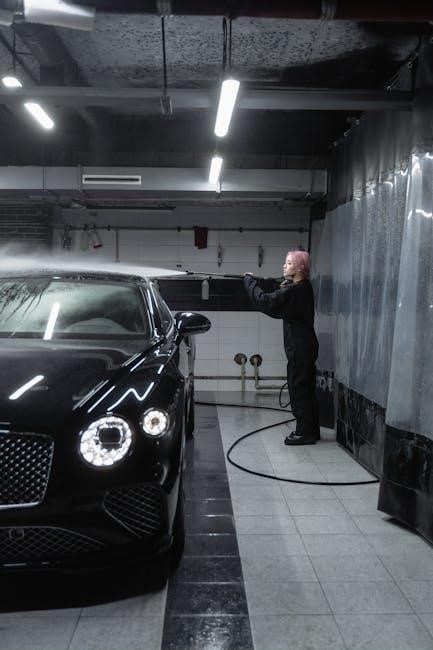
The total weight of the pressure washer, including all accessories such as the hose, wand, and nozzles, is around 48 pounds․ While relatively lightweight for a pressure washer, it’s still advisable to use caution when lifting or moving the unit, especially for extended periods․ The compact design and manageable weight contribute to its user-friendliness and portability, making it suitable for a variety of cleaning tasks around the home․
No Responses